



Research used to mean opening a lot of tabs.
I would search through articles, blogs, launch pages, and other material, check what was new, and slowly work out what was worth looking at. AI made that process faster. But I still wanted to make it easier.
My idea was simple: tell AI what I wanted to research for the next day, let it collect the details, and come back to a useful starting point.
The first version did not work the way I expected.
AI gave me results, but not the research I needed
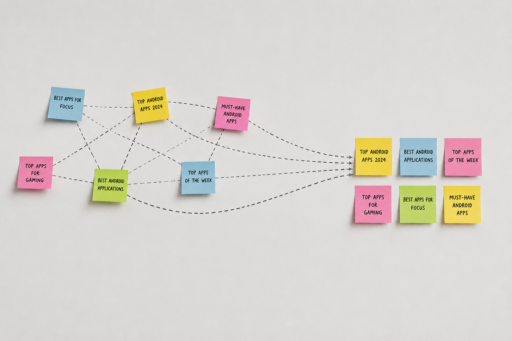
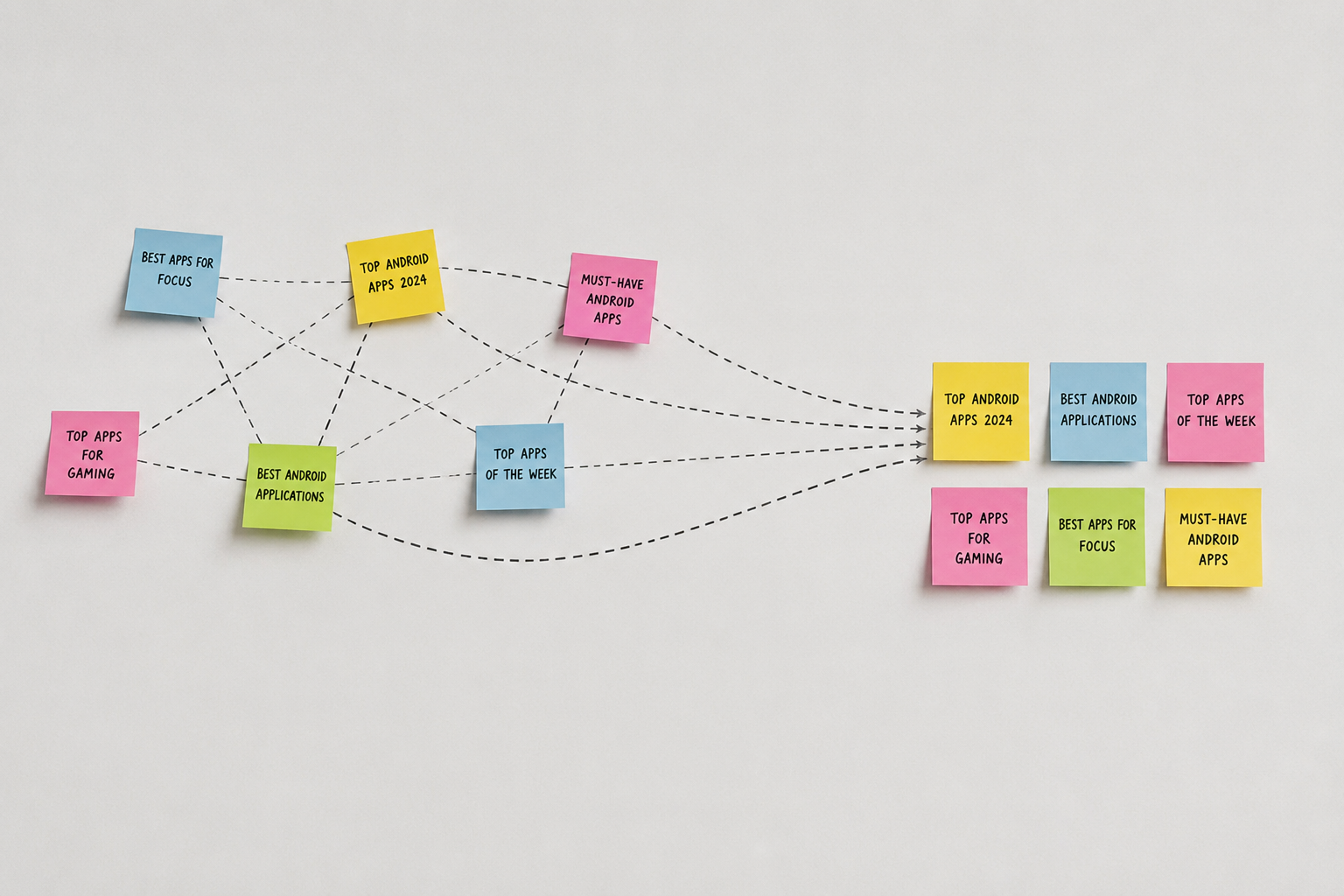
If I asked AI to research the best apps in the market, it gave me a lot of material. But it was too broad. It pulled together generic articles, blogs, and pages from different places, without helping me focus on the type of app I actually cared about.
Then I tried giving it a niche. That helped, but another problem appeared. Some of the articles and pages it found were old. I was looking for recent things to write about and learn from, not information that could have been useful six months ago.
So I had to go back to the manual work.
I had to decide what I wanted: AI apps, productivity apps, games, book-related tools, or something else.
I had to decide the time range.
I had to check the blogs, articles, launch pages, and app pages myself.
That was when I understood something important. I was trying to automate a process before I had explained the process properly.
I had not defined the real job
“Find the best apps” sounds clear until you try to automate it.
Best for whom? Which category? New this week, this month, or any time? Am I looking for popular apps, useful apps, strange new ideas, or tools I can actually write about?
Those questions are not small details. They are the job.
Once I started answering them manually, the automation became more useful. I gradually set up the process so it first looks at the topics I have already decided on. Then I can approve the direction. Only after that does it look for articles, blogs, published papers, and company pages within the time range I want.
Now I can give it one command to start the process. It gathers the material and gives me a place to begin. But it does not decide what deserves my attention.
What I keep manual
The most useful part of this workflow is not the automation itself. It is knowing what not to automate.
I keep three things with me:
- Choosing the topic or type of app to research;
- Approving what the research should look for; and
- Reading the source material before deciding what matters.
I do not want AI to choose the topic just because it can find thousands of possible sources and apps. The category changes everything.
I also do not want to depend only on a summary. Summaries are useful for getting a quick view, but they can miss the detail inside an article, launch page, or published paper that makes an app interesting or worth writing about. Research on AI summarization still identifies factual inconsistency as a real problem, which is another reason I treat summaries as a starting point rather than the final answer.
For me, spending ten or fifteen minutes reading the blogs, articles, and source pages is still part of the work. That is where I notice what is actually new, what is too old, and what has a useful angle.
My manual test before automation
Before I ask AI tool to automate something, I try to run the task manually and answer a few simple things:
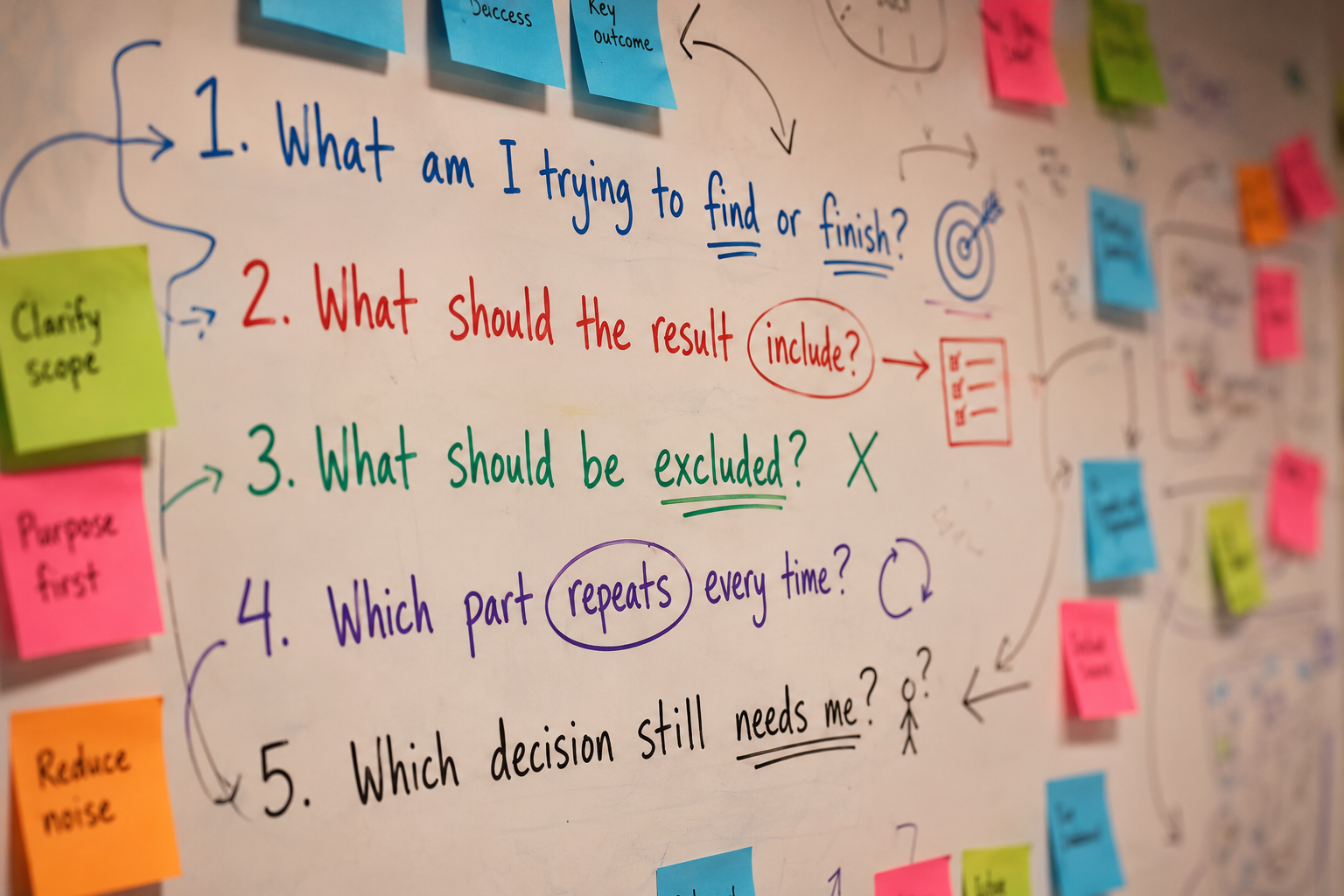
- What am I trying to find or finish?
- What should the result include?
- What should be excluded?
- Which part repeats every time?
- Which decision still needs me?
This is not about making a perfect system before you start. It is about seeing the real shape of the task.
In my research process, the repeating part was gathering fresh source material within a chosen topic and time range. That was a good job for automation.
The judgement part was deciding which topic to explore, which sources and apps were worth my time, and what I wanted to write. That stayed with me.
NIST’s guidance on AI risk management also treats clear human roles and oversight as important. I do not see that as something only big companies need. Even in a small personal workflow, it helps to know what AI is doing and what you are still responsible for.
Start with the part that repeats
You do not need to automate your whole research process. You might only automate one small part:
- Collecting new links from a chosen topic
- Checking a date range
- Putting relevant source links into one list
- Preparing a rough research folder for the next day
Then use it for a while. See what it misses. Change one thing. That is how my process became useful.
AI now works like a researcher who prepares the material for me. But I am still the one who decides what to look for, what to read, and what to do with it.
That is the balance I want.
Automate the repeatable work. Keep the important decisions human.
If you feel that you are spending too much time speaking with AI, rather than completing your task. This article will help you understand why: The Hidden Problem With AI: You Keep Refining Instead of Finishing.

Good one Vijay