


I opened AI to make a plan.
That was all I wanted. I had ideas in my head, a few tasks to complete, and I thought putting everything into one place would make the next step clearer.
At first, it was going well. I gave the tool my rough thoughts and more details. It helped me organise them. Then I added more context so the plan would be better. Then I added another detail, because I could see another way to improve it.
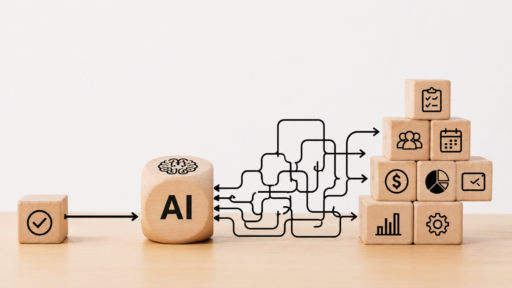
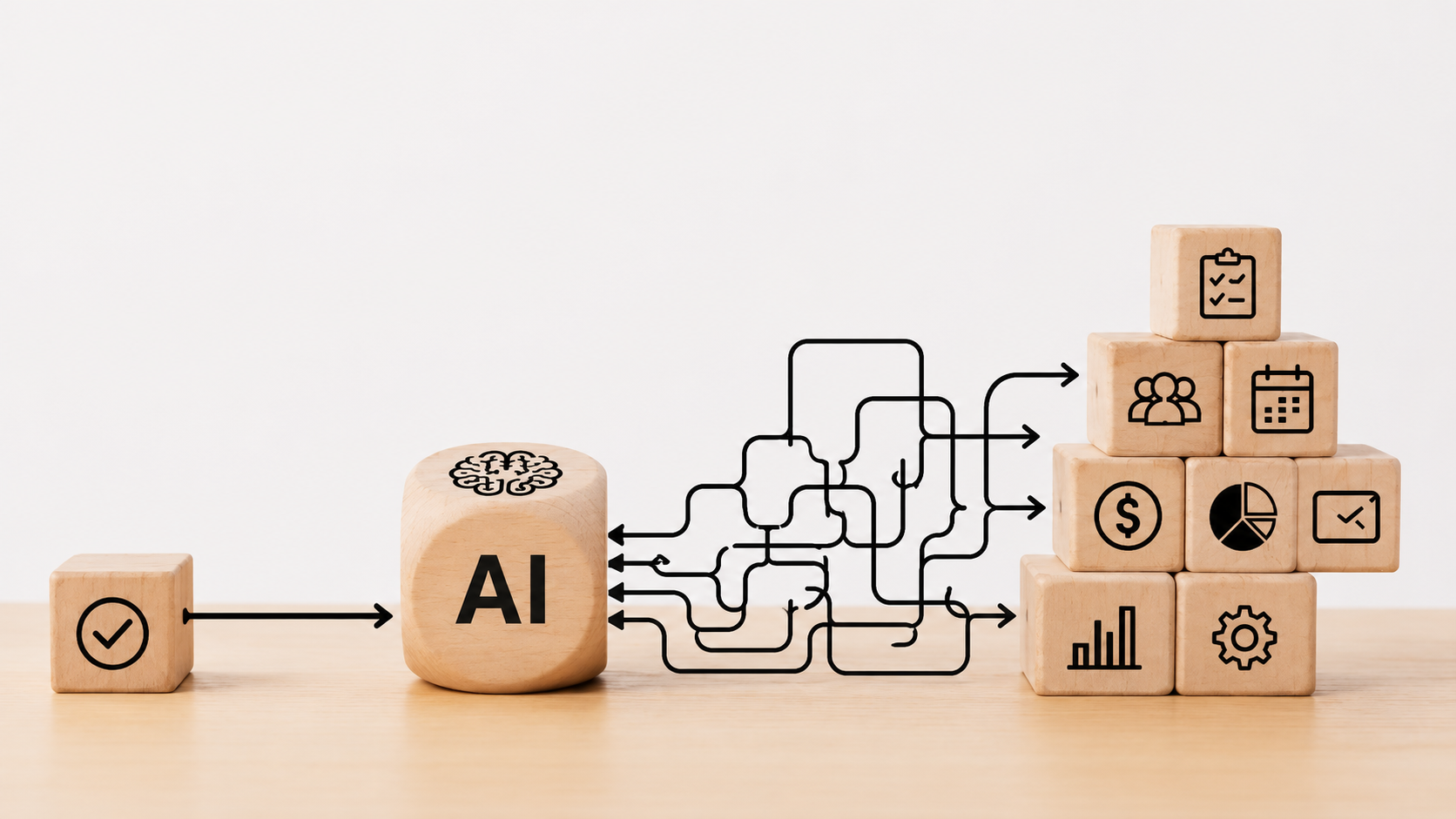
Without noticing it, I was no longer planning to complete the task. I was building a planning system.
And the system was becoming the task.
When a useful plan starts growing in the wrong direction
Breaking a big task into smaller pieces is useful. I still believe that. Sometimes a task feels hard only because the first step is not clear.
But there is a point where more breakdown does not create clarity. It creates more things to manage.
That happened to me. The plan started getting bigger. The ideas kept increasing. One simple task slowly became several tasks, and then those tasks needed a system to keep them organised. Instead of moving towards the original work, I was spending more time improving the structure around it.
It felt productive because I was still typing, thinking, and refining. But I was not finishing anything.
More options do not always mean a better answer
AI makes this easy because it is always ready to give another version. You can ask for a better plan, a simpler plan, a more detailed plan, a system for the plan, and then a system for improving the system.
None of those prompts is wrong on its own. The problem is that the next prompt can feel easier than doing the actual task.
Research on choice overload is more nuanced than the usual idea that “more choice is always bad.” A large review found that too many options become harder when the choice itself is complex, the decision is difficult, preferences are unclear, or the goal is vague. That sounds familiar to me. When I did not know exactly what I needed from the plan, every extra idea made it easier to continue planning instead of starting.
There is also a mental cost to changing focus. Task switching research describes the work involved in reconfiguring attention for a new task. I do not need a scientific number to see it in my own work: moving between the task, the plan, the system, and the next AI suggestion was making the simple thing feel heavier.
The moment I knew I had gone too far
I stopped when I looked at the complexity of the system I was asking AI to build.
The original idea was to help me move through my tasks easily. But I was creating something that would take more time to maintain, understand, and improve. I was building a system that needed attention before it could save me any attention.
That was the point where I had to ask a simple question: is this helping me complete the task, or is it giving me a new project to work on?
If the answer is “a new project,” I stop.
My rule now: build one small system first
I do not think the answer is to avoid systems or AI. A good small system can genuinely remove friction.
For example, if I need a regular list of articles to read and work on, I do not need to build an entire content management machine on day one. I can start with one simple scheduler that prepares the list. If it saves me five minutes, that is already useful.
Then I can use it for a while and notice what is missing. Maybe the first system is enough. Maybe it shows me one improvement worth making. Either way, I am learning from real use instead of guessing every future problem in advance.
After that, I can build a second small system with a bit more understanding. By the time I want a third, I will know what worked in the first two, what was unnecessary, and what could connect naturally.
The systems can grow later. They do not need to arrive fully grown.
What AI should do in that moment
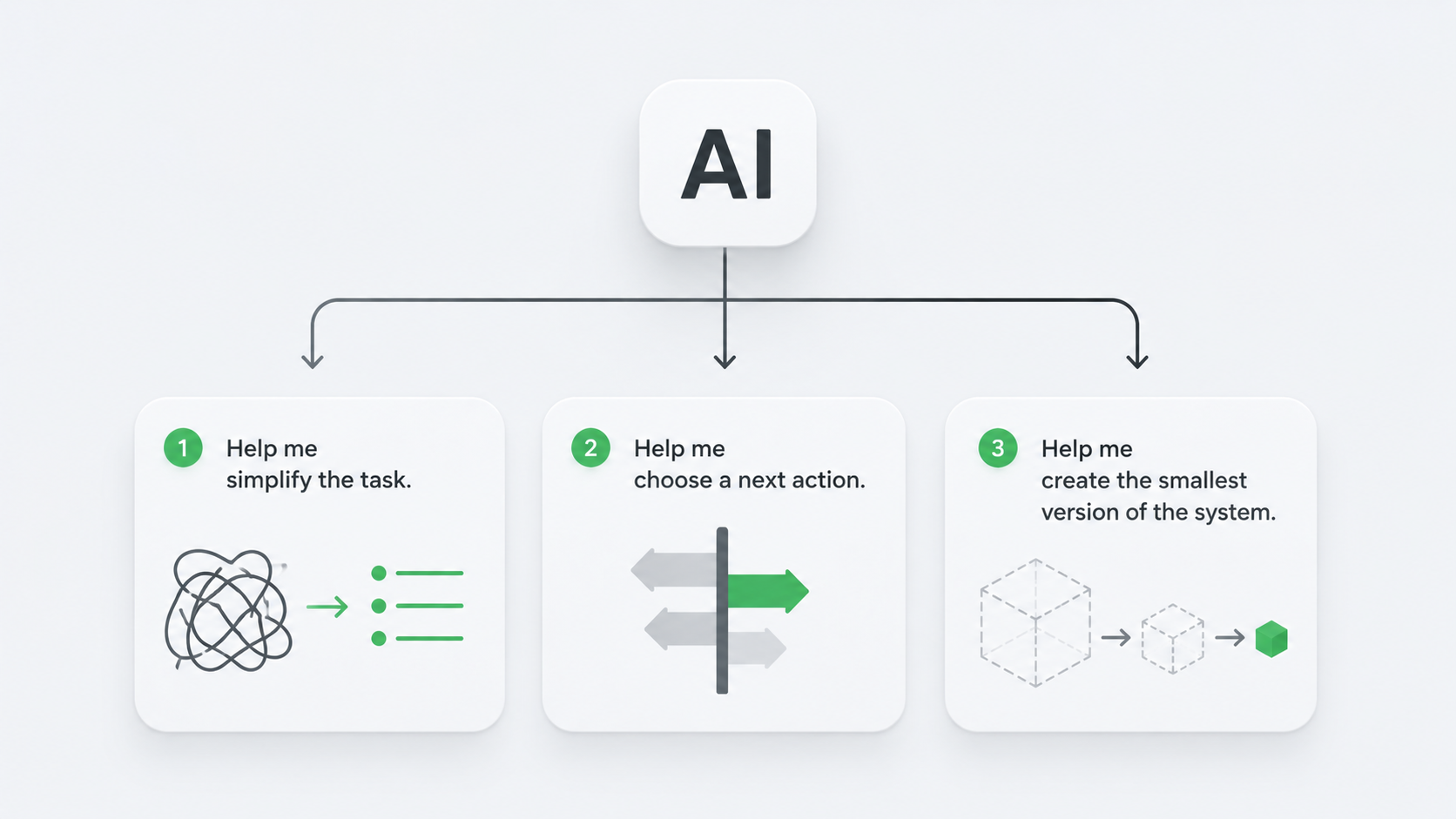
When I use AI for this kind of work now, I try to give it one job:
- help me simplify the task;
- help me choose the next action; or
- help me create the smallest version of the system.
Once it starts giving me more complexity than progress, I step back.
AI is still useful when it helps me move forward.
But if it gives me more things to organise than things to complete, I need to make it smaller.
For me, the test is simple: after using AI, can I begin the real work more easily?
If yes, it helped.
If I now have a bigger system to plan, refine, and maintain, I probably need to go back to the original task.
Start small. Let one useful system earn the right to become a bigger one.
Even if it only saves five minutes, that is still a good place to begin.
